The growth of Malaysia’s plastics market is attributed to the country’s transformation into a preferred industrial hub for high-end manufacturing. According to a report by Mordor Intelligence, Malaysia holds a unique position in Southeast Asia as a regional raw materials hub and downstream manufacturing base, supplying the automotive, packaging, electronics, and other industries across the region. The report forecasts that the Malaysian plastics market will grow from $4.19 billion in 2026 to $5.07 billion in 2031, with a compound annual growth rate (CAGR) of 3.86% during that period. The report notes that the global shift toward a circular economy is driving demand for recycled or bio-based materials and fostering investment in advanced processing technologies and recycling systems.

Industry Growth Drives Demand for High-End Packaging
Malaysia’s food and beverage industry is actively working to meet increasingly stringent food safety standards in both domestic and export markets. With the growing demand for Halal certification and convenient food packaging, requirements for specialized packaging have intensified, driving demand for high-performance plastic materials and processing technologies to produce products such as plastic films, packaging bags, PET bottles, and containers.
A surge in investments promoting sustainable and high-end packaging has positioned Malaysia as an ideal manufacturing hub. One example is FE Green PET, a subsidiary of Taiwan’s Far Eastern New Century Corporation (FENC), which secured a RM150 million (approximately US$35.5 million) green and sustainability-linked loan for its recycled polyester plant in Malacca, Malaysia. The plant plans to produce 50,000 metric tons of food-grade rPET annually from post-consumer plastics to support Malaysia’s green transition, sustainable energy, and low-carbon development. Its “bottle-to-bottle” system will meet the packaging needs of some of FE Green PET’s global clients, including well-known beverage brands.
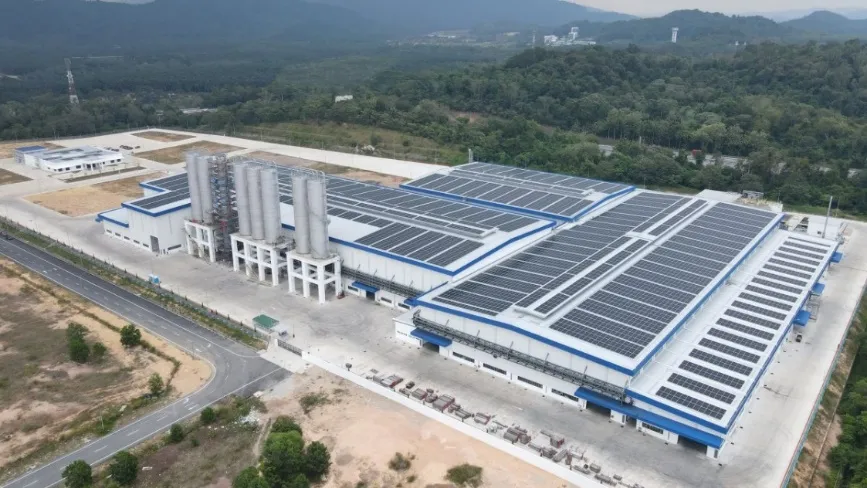
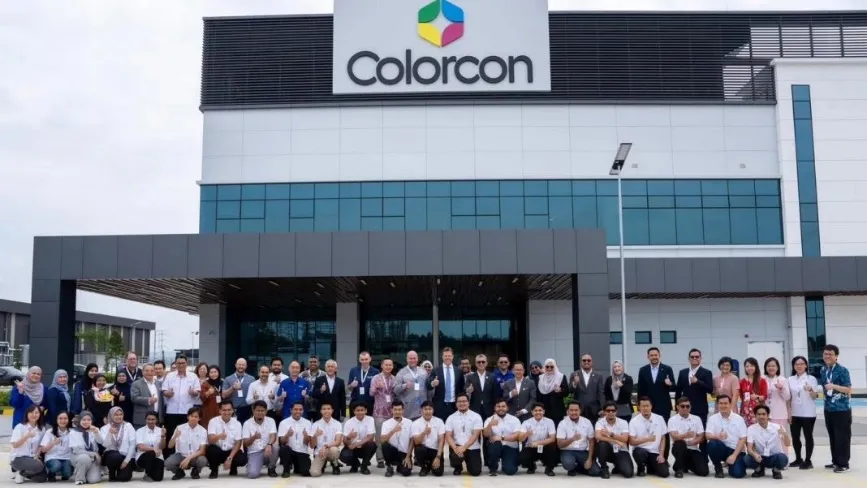
Another company, Colorcon, has opened a new film coating manufacturing plant in Johor, Malaysia. The plant is poised to become Colorcon’s primary production hub in the Asia-Pacific market, providing film coating systems, specialty excipients, controlled-release formulations, and modified-atmosphere packaging to the pharmaceutical and nutritional supplement industries.
High-End Electronics Packaging Business Meets the Needs of a Thriving Electronics Industry
Malaysia boasts a thriving electronics industry, with semiconductor manufacturing serving as an integral part of its industrial ecosystem. Major players in the industry also view Malaysia as an ideal location for establishing electronics packaging operations. Azure, a Chinese supplier of lithium-ion batteries and light-emitting diode (LED) chips, is one such example. The company plans to invest $83.9 million to build an LED chip packaging plant in Malaysia to meet the needs of overseas customers and mitigate the impact of international trade and tariff risks. The project will focus on LED chip testing, sorting, and chip-level packaging, with a monthly production capacity of 700 million units. Azure has already integrated its backlight chips—including its Mini-LED chips—into the supply chains of international clients.
Another key player is Intel, which previously announced plans to consolidate its overseas chip packaging operations in Costa Rica with its facilities in Vietnam and Malaysia, investing $208 million to expand its chip packaging business and meet surging demand. This investment will drive Intel’s packaging and testing operations in Malaysia, further expanding the company’s presence in the region.
Medical Device Manufacturing and Packaging – A Rising Star
The manufacturing of medical devices and supplies is one of the leading industries in the Asia-Pacific region, and Malaysia has attracted a large number of international companies to establish production bases there. Malaysia is emerging as a hub for medical manufacturing in the Asia-Pacific region, drawing an increasing number of new entrants to the medical sector and driving demand for high-performance materials and manufacturing technologies.
Healthcare packaging is a rapidly growing segment of the packaging industry. Industry leader Amcor has completed the construction of a coating plant in Selangor, Malaysia. The facility expands Amcor’s existing healthcare packaging operations in Malaysia and offers advantages to local and regional customers. The plant is equipped with advanced systems, such as water-based coatings and in-line inspection technology, to meet the growing demand for sterile packaging. Another example is Oliver Healthcare Packaging, a leading healthcare company driving quality and innovation in medical packaging, which has opened a 120,000-square-foot manufacturing plant in Johor, Malaysia. Located in i-Tech Valley, Iskandar Puteri, the facility joins a growing number of companies establishing operations in the Johor-Singapore Economic Zone to serve Oliver’s expanding customer base across the Asia-Pacific region. The facility is equipped with state-of-the-art equipment and ISO 13845, ISO-7, and ISO-8 cleanrooms for the production of medical-grade packaging, including pouches, lids, and rolls.

The Rosti Group also operates a 5,000-square-meter plastic injection molding plant in Malaysia, which is ISO 13485-certified and qualified to manufacture medical devices. In addition to injection molding, printing, assembly, process development, tooling, and supply chain management, the facility enhances Rosti Malaysia’s expertise in producing complex products, such as the 15-minute COVID-19 saliva test kit.
The Automotive Industry’s Shift Toward Electrification
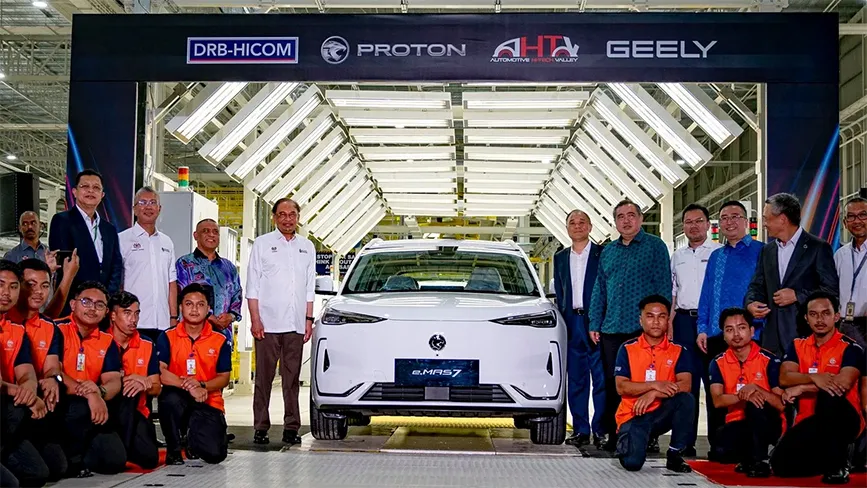
Thanks to government incentives and robust infrastructure, Malaysia is rapidly emerging as an attractive hub for electric vehicle (EV) manufacturers. Proton, Malaysia’s homegrown brand, has already begun operations at the country’s first assembly plant dedicated exclusively to EV production in Tanjung Malim, Perak. In addition to producing the country’s first batch of electric vehicles, the plant has begun assembling the Proton e.MAS 7 and e.MAS 5. Combining advanced automation technology with highly skilled operators, the plant has an annual production capacity of 20,000 units, which can be expanded to 45,000 units. Zhejiang Geely Holding Group is providing support in the areas of technology transfer, local talent development, and strategic investment.
Chinese electric vehicle manufacturer XPENG plans to begin assembling electric vehicles in Malaysia in partnership with local auto parts supplier EP Manufacturing Bhd by March 2026, with mass production set to commence this year. This marks XPENG’s third such project globally and its second in the Asia-Pacific region. Through its partnership with EP Manufacturing Bhd, XPENG will leverage the company’s extensive local manufacturing expertise, proven production capabilities, and deep market insights to produce advanced smart electric vehicles tailored to the needs of consumers in Malaysia and the ASEAN region.

Audi is also ramping up production of the second-generation Q7 SUV at its DRB-Hicom manufacturing plant in Malaysia. This marks Audi’s first fully localized assembly project in Southeast Asia, signaling the automaker’s return to vehicle manufacturing in Malaysia since the 1990s. The Q7 is a mild-hybrid electric vehicle (MHEV), and its production demonstrates the plant’s technical capabilities in handling electric vehicle technologies, such as battery systems and hybrid integration.
“CHINAPLAS 2026 International Plastics & Rubber Exhibition” will take place from April 21–24, 2026, at the Shanghai National Exhibition and Convention Center (Hongqiao). The event will bring together over 4,900 exhibitors to showcase innovative technologies, cutting-edge solutions, and eco-friendly materials to meet the needs of Malaysia’s high-end manufacturing sector.